How to design eye-catching custom coffee packaging with degassing valves?
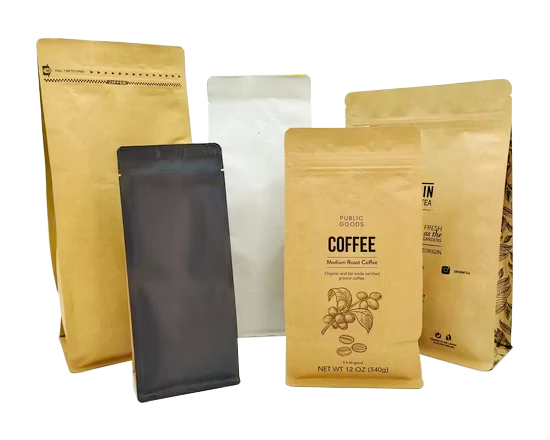
A custom coffee package with a degassing valve should combine barrier protection, gas release control, and clear brand design. Coffee releases CO₂ after roasting, and a one-way valve helps remove excess gas while limiting oxygen entry. A well-designed package can reduce aroma loss, maintain freshness for weeks, and improve shelf recognition. Studies in coffee storage show that oxygen exposure below 1% inside packaging can significantly slow quality decline compared with standard air-filled packaging.
Roasted coffee continues releasing carbon dioxide after leaving the roaster. During the first 24–72 hours, gas release is especially active because roasting creates internal pressure changes inside the bean structure. If the package cannot release this gas, bags may expand or seals may become damaged. A one-way degassing valve allows CO₂ to escape while preventing outside oxygen from entering.
A degassing valve works through pressure balance: gas moves outward when internal pressure rises, while the valve closes when external pressure becomes higher.
For brands developing premium products, custom coffee packaging provides a way to combine freshness protection with brand presentation. The package design needs to match the coffee type, roasting level, storage period, and sales channel. Whole bean coffee, ground coffee, and specialty single-origin products often require different material structures because their oxidation rates are not the same.
Coffee packaging performance depends heavily on material selection. Many professional coffee bags use multilayer structures containing PET, PE, aluminum foil, or high-barrier films. Aluminum-based layers can achieve oxygen transmission rates below 0.1 cm³/m²/day, helping protect sensitive aroma compounds. In comparison, lower-barrier materials may allow oxygen entry faster and shorten the acceptable storage period.
| Packaging Material | Typical Function | Suitable Application |
|---|---|---|
| PET layer | Improves strength and print quality | External package surface |
| PE layer | Provides sealing performance | Inner contact layer |
| Aluminum foil | Blocks oxygen and light | Premium roasted coffee |
| EVOH barrier film | Reduces oxygen transfer | Sustainable packaging options |
Material choice affects the next design stage because the package surface must support both printing quality and product protection. Coffee brands often use matte finishes, kraft textures, metallic effects, or soft-touch coatings to create different visual impressions. Consumer packaging studies from 2020 found that visual elements such as color and shape can influence product selection within several seconds of shelf exposure.
A strong package design usually follows a simple structure. The front panel communicates brand identity, while the back panel provides product details such as roast date, origin, brewing recommendations, and storage instructions. The degassing valve is normally placed on the rear or upper area of the bag to maintain a clean front appearance.
Common design elements include:
-
Clear brand logo placement.
-
Roast level indicators.
-
Coffee origin information.
-
Processing method description.
-
Brewing suggestions.
-
Recycling instructions.
The position of the valve also affects packaging reliability. A valve placed too close to the seal area may reduce sealing space and create production issues. Manufacturers usually test valve placement through pressure checks and storage evaluations before mass production. A packaging test involving multiple samples over several weeks can measure gas release, seal strength, and aroma retention.
The valve should be designed as part of the whole package structure, not added after the artwork is finished.
Coffee type changes packaging requirements because bean structure influences gas release. Whole beans normally retain more internal CO₂ than ground coffee because grinding increases surface area. Research on roasted coffee storage has shown that ground coffee can lose aromatic intensity faster than whole beans, especially when oxygen levels increase after packaging.
| Coffee Format | Main Packaging Requirement | Common Solution |
|---|---|---|
| Whole beans | CO₂ release control | Valve bag with strong barrier film |
| Ground coffee | Oxygen protection | High-barrier bag with nitrogen flushing |
| Specialty coffee | Freshness and storytelling | Premium printed packaging |
| Retail coffee | Long shelf stability | Cost-balanced multilayer bag |
Nitrogen flushing is also used by many coffee producers. This process replaces oxygen inside the package with nitrogen before sealing. When combined with a degassing valve, it can reduce oxidation during storage. Some commercial coffee packages maintain internal oxygen levels below 2% after filling, depending on equipment accuracy and packaging material.
The printing method influences production flexibility. Digital printing has become more common since 2020 because it supports smaller production runs and seasonal coffee releases. Traditional gravure printing remains widely used for large quantities because the cost per unit decreases at higher volumes.
A brand producing limited-edition coffee may choose digital printing because it allows different artwork versions without creating multiple printing plates. Larger coffee companies may prefer gravure printing when producing hundreds of thousands of bags with the same design.
Sustainability has become another consideration in coffee packaging development. Many brands are exploring recyclable mono-material structures and compostable films. However, these materials must still maintain oxygen and moisture resistance because coffee aroma compounds are sensitive to environmental exposure.
A comparison of packaging priorities shows how brands balance different requirements:
| Design Goal | Recommended Approach |
|---|---|
| Longer freshness period | High-barrier film + degassing valve |
| Premium appearance | Matte finish + detailed printing |
| Lower material use | Lightweight barrier structures |
| Better customer information | QR code and traceability details |
Packaging also influences online purchasing because customers often see product images before touching the package. Clear photography, readable labels, and recognizable design features help coffee products stand out on digital platforms. A 2023 packaging survey reported that more than 60% of consumers considered package appearance when choosing between similar food and beverage products.
Testing before production helps avoid quality problems. Manufacturers commonly evaluate oxygen transmission rate, moisture resistance, seal strength, and valve performance. Storage tests may compare coffee samples at different temperatures and time points, such as 30, 60, and 90 days, to measure aroma changes and package stability.
Good coffee packaging protects the product during storage while making the brand message easy to understand.
A complete packaging development process usually includes:
-
Analyze coffee type, roast profile, and expected shelf period.
-
Select film structure and valve specifications.
-
Create artwork based on brand positioning.
-
Test sealing performance and barrier properties.
-
Produce trial batches before full manufacturing.
The combination of functional engineering and visual design allows coffee brands to create packages that protect freshness and communicate quality. With suitable materials, correct valve selection, and thoughtful artwork, modern coffee packaging can support longer shelf life while giving customers a clear reason to choose one product over another.