How Does JEWSHIN Packaging Machinery Meet Different Industry Requirements?
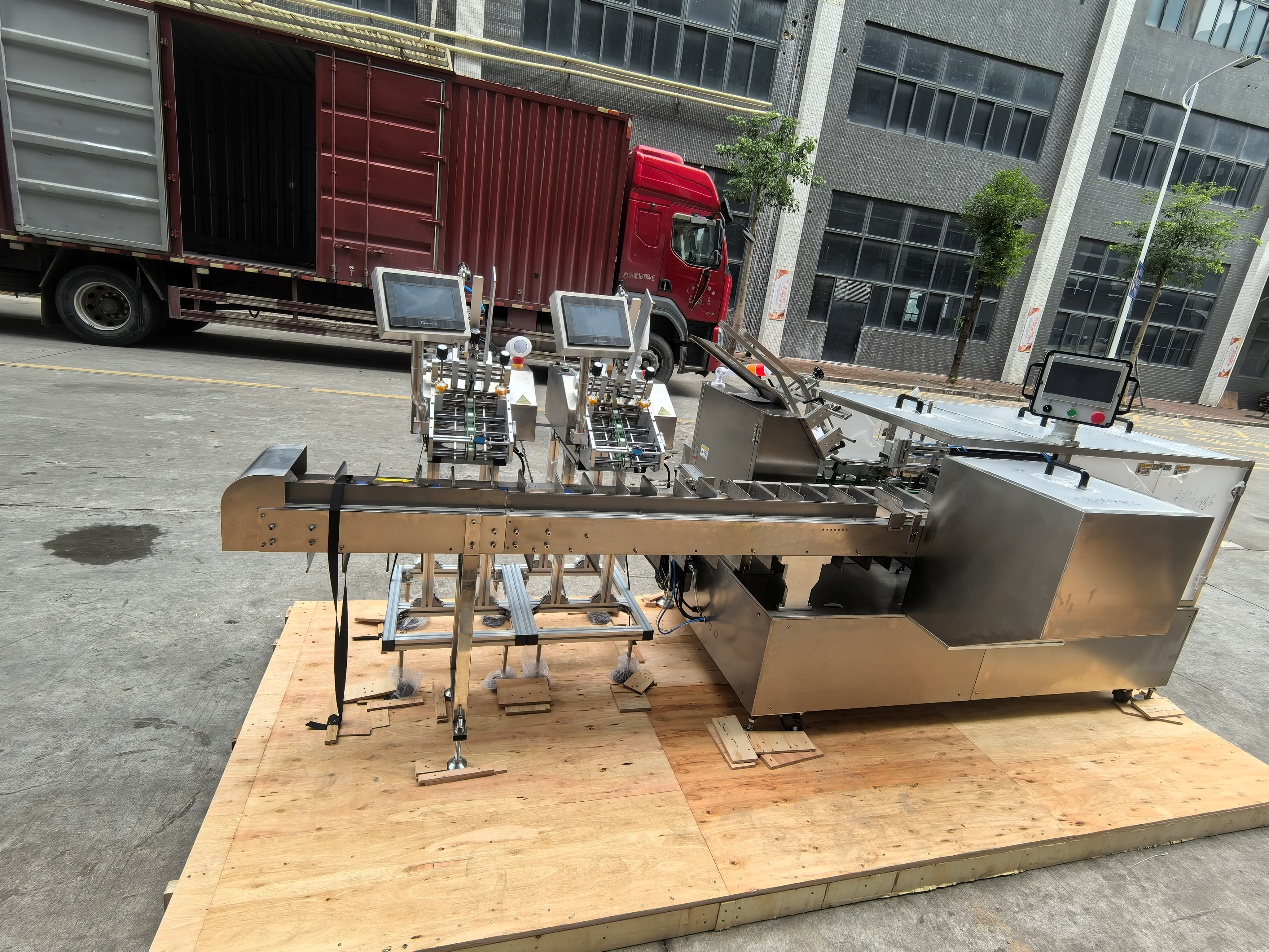
JEWSHIN Packaging Machinery helps manufacturers meet different industry requirements through flexible machine configurations, accurate filling systems, adaptable packaging formats, and automation options. With solutions designed for food, beverage, pharmaceutical, chemical, agricultural, and consumer goods applications, the equipment supports production speeds from small-batch operations to large-scale factories. JEWSHIN Packaging Machinery improves packaging consistency by combining precise control technology with industry-specific designs.
Packaging requirements vary widely between industries because products have different physical properties, storage conditions, and handling needs. A beverage company may need liquid filling accuracy within tight ranges, while a powder manufacturer may require stable feeding and dust control. Since 2010, global packaging manufacturers have increasingly adopted automated systems to improve production efficiency, with many facilities reporting productivity improvements of 20%–50% after replacing manual processes.
“A packaging machine must match the product, packaging material, and production environment instead of using one standard design for every application.”
Food packaging is one of the largest application areas for modern packaging equipment. Products such as sauces, snacks, grains, frozen foods, and ready-to-eat meals require different packaging methods because their textures and moisture levels are not the same. For example, liquid products require controlled pumping systems, while powders require accurate feeding systems to prevent inconsistent package weights.
JEWSHIN Packaging Machinery provides equipment options that can handle different food production requirements, including filling, sealing, forming, and automatic packaging processes. Stainless steel structures, easy-clean surfaces, and adjustable operating parameters help manufacturers maintain stable production conditions in environments where hygiene standards are important.
According to food industry reports, flexible packaging accounted for more than 40% of global packaging demand by value in the early 2020s because companies increasingly selected lightweight packaging materials. This market change has encouraged machinery manufacturers to develop equipment that supports different film types, including PE, PP, laminated films, and recyclable packaging materials.
| Application Area | Product Type | Packaging Requirement | Suitable Equipment Features |
|---|---|---|---|
| Food Processing | Sauce, snacks, grains | Accurate filling and sealing | Servo control, adjustable filling systems |
| Beverage Industry | Liquid products | Stable dosing | Pump-based filling technology |
| Pharmaceutical | Powder and healthcare products | High precision | Controlled operation and accurate measurement |
| Chemical Industry | Detergents, additives | Material resistance | Customized contact materials |
| Agriculture | Seeds and fertilizers | Large-volume packaging | Weighing and automatic feeding |
Different materials require different machine structures, which is why packaging flexibility has become an important factor for manufacturers. A machine designed for liquid products may not perform well with granular materials because feeding methods, sealing temperatures, and package handling processes are different.
For pharmaceutical manufacturers, packaging accuracy and production stability are especially important. Products such as powders, tablets, and medical supplies often require controlled filling quantities and consistent sealing quality. Packaging systems used in pharmaceutical environments may need stainless steel components, precise sensors, and reliable monitoring functions.
In 2023, the global pharmaceutical packaging market continued expanding as manufacturers increased investment in automated packaging technologies. Equipment accuracy levels can influence material usage, product protection, and production efficiency, especially when factories operate thousands of packaging cycles every day.
“Small differences in filling accuracy can create noticeable material losses when production volumes reach hundreds of thousands of packages annually.”
Chemical products require another type of packaging approach because many materials have different viscosity levels, chemical properties, and storage requirements. Products such as cleaning solutions, industrial powders, and agricultural chemicals may require specialized sealing methods and durable machine components.
JEWSHIN Packaging Machinery can be customized according to product characteristics, including different filling volumes, sealing temperatures, and packaging speeds. Manufacturers producing chemical products often focus on reliable sealing because package leakage can affect transportation safety and product quality.
Agricultural packaging presents different requirements because products are often heavier and produced in larger quantities. Seeds, fertilizers, animal feed, and soil improvement products commonly require accurate weighing systems and strong packaging structures.
Modern agricultural packaging lines can process hundreds of bags per hour depending on package size and machine configuration. Automated weighing systems help maintain consistent package weight, reducing material waste during continuous production.
Consumer goods companies also require packaging equipment that can adapt quickly to changing market demands. Household products, personal care items, and retail products are often sold in different sizes and package styles, requiring machines that support multiple formats.
Flexible packaging equipment allows manufacturers to change package dimensions, filling volumes, and sealing settings without replacing the complete production system. This flexibility is useful for companies producing multiple product categories or seasonal packaging designs.
| Manufacturing Requirement | Machine Capability |
|---|---|
| Multiple package sizes | Adjustable forming and sealing systems |
| High production speed | Automated feeding and control systems |
| Reduced manual operation | Integrated automation options |
| Product variety | Modular equipment configuration |
Automation level is another factor that separates different packaging applications. Small manufacturers may require compact machines with simple operation, while large factories often need complete production lines connected with conveyors, inspection systems, and coding equipment.
Automation adoption has increased significantly since 2015, with many manufacturers investing in equipment that reduces manual handling and improves production consistency. In some packaging environments, automated systems can reduce labor requirements by more than 30% while maintaining stable output quality.
The control system of packaging machinery also affects daily production performance. Modern machines use sensors, programmable controllers, and servo motors to manage filling accuracy, sealing temperature, and movement timing.
For example, servo-controlled systems allow manufacturers to adjust machine parameters according to different products without major mechanical changes. This function is useful for companies producing several product types on the same production line.
Packaging materials have also changed as companies pay more attention to resource efficiency. Lightweight films and recyclable materials have become more common since 2020, requiring machines with better temperature control and sealing adjustment.
A packaging system that supports multiple materials gives manufacturers more options when selecting packaging formats. This flexibility helps companies respond to different customer preferences while maintaining production efficiency.
“Packaging equipment performance depends on how well the machine matches product properties, material specifications, and factory requirements.”
Customization is an important part of industrial packaging projects because no two production environments are exactly the same. Factors such as factory space, production capacity, package design, and product characteristics influence equipment selection.
JEWSHIN Packaging Machinery works with manufacturers to develop suitable configurations based on actual production conditions. Equipment can include different filling methods, sealing systems, automation modules, and production line connections.
A typical customization process considers:
-
Product type and physical characteristics
-
Required package weight or volume
-
Packaging material specifications
-
Daily production capacity
-
Factory layout requirements
-
Future production expansion plans
Reliable maintenance and technical support also influence long-term equipment operation. Packaging machines often run continuously for many hours, making stable mechanical performance important for production schedules.
Manufacturers usually evaluate equipment based on factors such as operating reliability, spare parts availability, maintenance requirements, and technical service response. Machines designed with accessible components can reduce routine maintenance time and help factories maintain regular production.
From food processing and beverage production to pharmaceutical, chemical, agricultural, and consumer goods applications, different industries require different packaging solutions. Equipment flexibility, accurate control, and customized configurations allow manufacturers to select systems that match their specific production needs.
JEWSHIN Packaging Machinery provides packaging solutions designed for different industrial environments, helping companies improve production consistency, support various packaging materials, and adapt to changing market requirements. Through flexible engineering and practical automation features, the equipment serves manufacturers with different product types and production scales worldwide.