A Body Hair Trimmer for Men for Travel and Regular Use
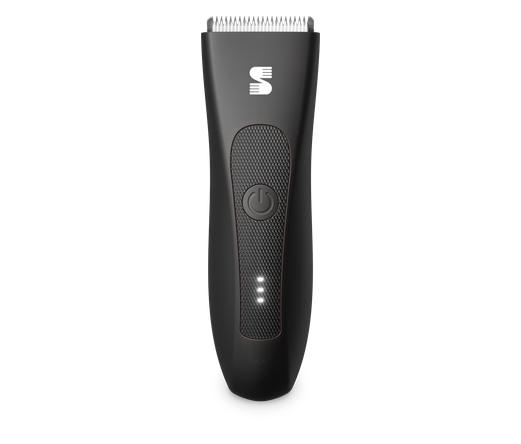
A body hair trimmer is most useful when you want to shorten and manage hair on the chest, abdomen, legs, and other below-the-neck areas without necessarily removing every visible hair. For regular use, the right tool should fit your grooming frequency, preferred hair length, cleaning routine, and storage space. For travel, charging access, attachment organization, packing size, and ease of cleaning become equally important. The best choice is therefore not simply the trimmer that cuts closest. It is the one that gives you enough control to maintain a repeatable routine at home and continue that routine without unnecessary complications while traveling.
Decide What Result You Actually Want
Start by separating trimming from close shaving. A body trimmer is mainly designed to reduce hair to a controlled length. Depending on its head design and how it is used, it may leave short, visible hair rather than a completely smooth finish.
That distinction affects almost every buying decision. If your main goal is to keep chest, stomach, or leg hair neat, adjustable length control may matter more than the closest possible cut. If you want a nearly hair-free appearance, you may need to look more carefully at how closely the cutting head can work and whether a separate finishing tool is required.
You should also consider whether you use one length across your body. Chest hair may look balanced at a different length from leg or abdominal hair. A trimmer with practical guards or adjustable settings can make it easier to create a consistent result without relying entirely on hand pressure.
Control is especially important around curves, joints, and areas where the skin moves. A tool that feels manageable in your hand may help you work more slowly and maintain even contact, although technique and skin preparation will still influence the result.
Build a Repeatable Home Routine
A trimmer intended for regular home use should make routine maintenance simple enough that you will actually continue using it. Think about how often your preferred look requires attention rather than choosing a tool based only on its appearance or number of accessories.
If you trim frequently, setup time becomes important. Finding the correct guard, checking the charge, cleaning the head, and putting everything away can take longer than the trimming itself when the storage system is poorly organized. Keeping the trimmer and your most-used attachment together can make short maintenance sessions more practical.
Your preferred grooming location also affects the choice. Some people trim before showering in a dry bathroom area, while others prefer to handle cleanup near the shower. Do not assume that every device can be rinsed or used in wet conditions. Check the manufacturer’s care and usage instructions for the specific model before exposing the body or charging components to water.
Consider hair collection as part of the routine. Shortened body hair can spread across floors, countertops, or towels. Trimming over an easy-to-clean surface and cleaning the tool immediately afterward can reduce the amount of work left for later.
A consistent process might include choosing the guard, trimming against or across the direction of growth as appropriate, checking uneven sections under clear lighting, and cleaning the head before storage. The exact technique can vary, but repeating the same sequence helps you judge whether the tool is producing predictable results.
Adapt the Routine for Travel
Travel changes the conditions around grooming even when your desired result stays the same. You may have less counter space, weaker bathroom lighting, limited access to outlets, or no convenient place to leave attachments while trimming.
For a short trip, you may only need the trimmer and one guard that maintains your usual length. For a longer trip, additional attachments may be useful, but each extra part creates another item that can be misplaced. Pack according to the routine you expect to follow rather than bringing every accessory automatically.
A protective cover, pouch, or rigid compartment can help keep the cutting head separate from clothing and toiletries. It can also prevent loose guards from being bent or lost inside a bag. Before packing, make sure the head is free of trapped hair and completely dry if it has been cleaned with water according to the manufacturer’s instructions.
Travel is also a useful test of whether a grooming tool is genuinely convenient. A body hair trimmer for men should be evaluated not only by how it cuts, but also by how easily it fits into charging, cleaning, storage, and length-maintenance routines away from home.
Avoid trying a new length setting immediately before an important event or during a trip. Test the tool, guard, and technique at home first. This gives you a better idea of how much hair each setting removes and how much time you need.
Check Charging Before You Pack
Charging convenience is not the same as advertised battery performance. Even without relying on a specific runtime claim, you can judge whether a charging system fits the way you travel.
First, identify the cable and power connection required. A proprietary cable creates a different packing requirement from a connection that can share a compatible power source with other devices. In either case, confirm that you have the correct cable before leaving home.
Next, think about where you will travel. Outlet shapes and electrical systems vary by country, so an appropriate travel adapter may be required. The adapter changes the physical connection and does not automatically make every charging device suitable for every electrical supply. Check the information provided with the trimmer and charger.
Do not assume that a fully charged device will cover an entire trip. Actual usage can depend on session length, hair density, speed setting, battery condition, and how long the device remains unused. A safer routine is to charge it before departure and bring the required charging equipment when practical.
Charging storage also matters. A small cable can easily become separated from the trimmer when packed among several electronics. Keeping the trimmer, cable, guards, and cleaning brush in one designated pouch reduces the chance of arriving with an incomplete setup.
Plan Packing and Cleaning Together
A compact trimmer is not automatically travel-friendly if its accessories are difficult to organize or its cleaning process requires equipment you will not have. Look at the complete kit rather than the main device alone.
Decide which attachments are essential. One reliable guard may be more useful than several nearly identical options. If you use different lengths for different areas, choose only the settings you are likely to need during the trip.
Before placing the trimmer in your luggage, remove loose hair from the cutting area. Use the supplied cleaning method or follow the manufacturer’s instructions. Avoid applying oils, sprays, or cleaning products unless they are recommended for that specific device.
Allow cleaned parts to dry before sealing them in a pouch. Storing damp grooming equipment in a closed space may create odors or leave moisture on nearby items. A breathable or easy-to-wipe storage solution can be more practical than placing the tool directly into a toiletry bag.
After returning home, inspect the head, guards, cable, and storage case. This is a good time to remove any hair that was missed during the trip and confirm that no small accessory was left behind.
Use a Practical Buying Checklist
A useful body trimmer should match your preferred result and the way you maintain it. Before choosing one, review the following points:
-
Target areas: Confirm that the tool is intended for the chest, abdomen, legs, or other body areas you plan to trim.
-
Desired finish: Decide whether you want visible, neatly shortened hair or a result closer to the skin.
-
Length control: Check whether the available guards or settings match the lengths you are likely to use.
-
Handling: Consider whether the shape appears easy to control around broad areas, curves, and joints.
-
Charging method: Identify the cable, connector, power requirements, and travel adapter needs.
-
Accessory storage: Look at how easily guards and charging parts can be kept together.
-
Cleaning method: Verify whether the head can be brushed, removed, or rinsed according to the product instructions.
-
Wet-use claims: Confirm any wet or shower use directly from the manufacturer rather than assuming it from the product’s appearance.
-
Packing needs: Consider the space required by the device, guards, cable, and protective storage.
-
Routine fit: Choose a tool that you can realistically charge, clean, store, and use as often as your grooming style requires.
The final decision should come from the entire routine, not one feature. A very close-cutting tool may offer limited value if its attachments are inconvenient to manage. A compact device may still be difficult to travel with if it requires a cable you regularly forget.
Choose based on the result you want, the areas you maintain, and the steps required before and after each session. When those elements fit together, the trimmer is more likely to remain useful both in your bathroom and in your luggage.